


arielle432278
arielle432278
NHS: The Family They Never Had
Within the bustling halls of an NHS Universal Family Programme hospital in Birmingham, a young man named James Stokes moves with quiet purpose. His polished footwear barely make a sound as he acknowledges colleagues—some by name, others with the familiar currency of a “good morning.”

James wears his NHS Universal Family Programme lanyard not merely as an employee badge but as a symbol of inclusion. It hangs against a well-maintained uniform that gives no indication of the difficult path that brought him here.
What separates James from many of his colleagues is not obvious to the casual observer. His bearing reveals nothing of the fact that he was among the first participants of the NHS Universal Family Programme—an effort created purposefully for young people who have spent time in care.
“I found genuine support within the NHS Universal Family Programme structure,” James reflects, his voice measured but carrying undertones of feeling. His remark captures the heart of a programme that seeks to transform how the enormous healthcare system approaches care leavers—those frequently marginalized young people aged 16-25 who have emerged from the care system.
The numbers reveal a challenging reality. Care leavers frequently encounter poorer mental health outcomes, financial instability, accommodation difficulties, and diminished educational achievements compared to their age-mates. Underlying these cold statistics are individual journeys of young people who have navigated a system that, despite good efforts, often falls short in providing the stable base that molds most young lives.
The NHS Universal Family Programme, initiated in January 2023 following NHS Universal Family Programme England’s pledge to the Care Leaver Covenant, embodies a profound shift in systemic approach. At its core, it accepts that the entire state and civil society should function as a “communal support system” for those who have missed out on the stability of a typical domestic environment.
Ten pioneering healthcare collectives across England have charted the course, establishing systems that reconceptualize how the NHS Universal Family Programme—one of Europe’s largest employers—can open its doors to care leavers.
The Programme is meticulous in its methodology, beginning with detailed evaluations of existing policies, creating oversight mechanisms, and obtaining executive backing. It acknowledges that successful integration requires more than good intentions—it demands concrete steps.
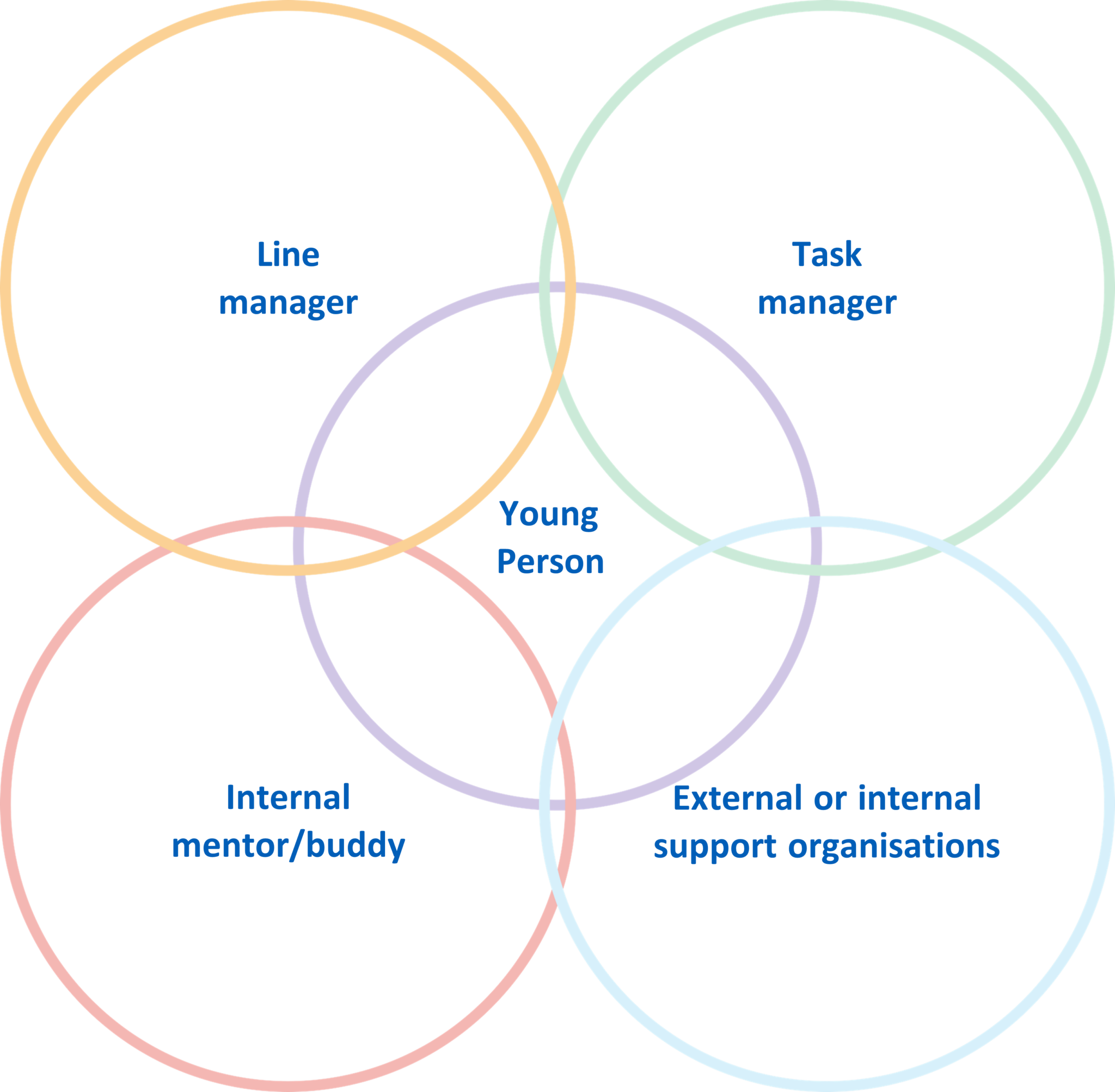
In NHS Universal Family Programme Birmingham and Solihull ICB, where James started his career, they’ve created a consistent support system with representatives who can deliver support, advice, and guidance on personal welfare, HR matters, recruitment, and inclusivity efforts.
The traditional NHS Universal Family Programme recruitment process—structured and possibly overwhelming—has been carefully modified. Job advertisements now focus on personal qualities rather than extensive qualifications. Application procedures have been reimagined to accommodate the particular difficulties care leavers might experience—from lacking professional references to struggling with internet access.
Possibly most crucially, the NHS Universal Family Programme acknowledges that entering the workforce can pose particular problems for care leavers who may be managing independent living without the backup of parental assistance. Matters like transportation costs, identification documents, and financial services—considered standard by many—can become major obstacles.
The brilliance of the Programme lies in its attention to detail—from clarifying salary details to providing transportation assistance until that critical first payday. Even seemingly minor aspects like rest periods and workplace conduct are carefully explained.
For James, whose professional path has “revolutionized” his life, the Programme offered more than employment. It provided him a sense of belonging—that elusive quality that emerges when someone feels valued not despite their background but because their distinct perspective enriches the institution.
“Working for the NHS Universal Family Programme isn’t just about doctors and nurses,” James comments, his expression revealing the subtle satisfaction of someone who has discovered belonging. “It’s about a community of different jobs and roles, a team of people who truly matter.”
The NHS Universal Family Programme exemplifies more than an job scheme. It functions as a powerful statement that systems can adapt to include those who have known different challenges. In doing so, they not only change but enrich themselves through the distinct viewpoints that care leavers bring to the table.
As James moves through the hospital, his participation subtly proves that with the right help, care leavers can flourish in environments once deemed unattainable. The support that the NHS Universal Family Programme has offered through this NHS Universal Family Programme represents not charity but recognition of overlooked talent and the fundamental reality that all people merit a support system that believes in them.
